
Protect Your Crops: Meet the Beneficial Insects Working for You

Beneficial insects are key allies in crop protection and integrated pest management. Learn how to scout, support, and recognize the species making a difference in your fields.

· Field Guide ·

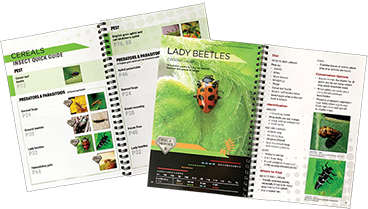
Your Go-To Guide for Scouting Pests & Beneficial Insects

This free field guide helps you identify pests and beneficial insects in your fields. Learn how to scout key species and support better crop protection decisions.
Get the Guide

· Podcasts ·

Pests & Predators: Insect Management Insights from the Field

Tune in as Western Canada’s leading entomologists discuss beneficial insects, pest threats, and how scouting data supports real field decisions. A practical podcast series for crop advisors, agronomists, and growers.

Hear the Latest Episode

· Scouting Guides ·

Scouting Made Simple

Not sure what you’re seeing in the field? Whether you’re starting with a crop or identifying a specific insect, these free guides help you scout smarter and support integrated pest management.

View scouting guides

How you can support beneficial insects

  • Scout for pests and predators before making decisions
  • Only spray when economic thresholds are exceeded
  • Choose selective insecticides where possible
  • Follow label guidelines for timing and application
  • Rotate crops to support beneficial insects
  • Maintain habitat for beneficial insects

How beneficials help you in return

When you let beneficial insects work in your fields, you may benefit from:

  • Lower input costs (ex: fewer insecticide passes)
  • Less fuel use and a reduced carbon footprint
  • Reduced wear on your sprayer
  • Stronger pollinator populations
  • A healthier ecosystem on your farm

Stay connected with Field Heroes

Follow Field Heroes for expert insights, scouting tips, and stories from the field – all designed to help you make informed pest management decisions.

Looking for more resources?

The Prairie Pest Monitoring Network (PPMN) provides weekly Prairie insect information, including crop insect forecasts, wind trajectories, risk maps, and monitoring protocols. Their updates help agronomists and growers anticipate pest activity and make timely, informed crop protection decisions.